Short answer: yes, the Mekong Delta is worth visiting, but only if you go to the right part of it. The famous one-day bus tour from Saigon (a coconut candy workshop, a rowboat ride in a conga line of boats, a free-sample honey tea) is fine, a bit like eating a snack and calling it dinner. The real delta shows up when you slow down, sleep there at least one night, and leave the well-trodden pier behind. Below is the honest version, from two Saigon locals who guide this region for a living.
Who this guide is for (and who should skip the delta)
Let’s save you a few hours of scrolling. The Mekong Delta is worth it if you like slow travel, food, water, gardens and talking to people who aren’t in a hurry. It is probably not worth it if you want dramatic mountains, big-ticket temples or a packed checklist of “sights”. The delta is flat, green, humid and wonderfully ordinary, and that is exactly the point.
It tends to be a great fit for first-time visitors to Vietnam who want a break from Saigon’s motorbike symphony, families with kids who can handle a few hours in a car, food lovers, photographers chasing soft morning light, and anyone who has “see how people actually live” on their list. It is a weaker fit for travelers with only half a day, people who get restless without a big landmark, and anyone expecting a wild jungle river. The delta is a working landscape: fish farms, rice paddies, orchards and a lot of boats with motors.
What the Mekong Delta actually is
The Mekong River travels about 4,350 km from the Tibetan Plateau and finally spills into the South China Sea through a fan of channels in southern Vietnam. That fan is the Mekong Delta: roughly 40,000 square kilometers of canals, islands, rice fields and fruit orchards. It feeds an enormous share of Vietnam, which is why locals call it the country’s rice bowl. If you’d like the full backstory, we wrote about the history of the Mekong Delta and the people who keep it running.
Here is the thing most brochures skip: “the Mekong Delta” is not one place. My Tho and Ben Tre are close to Saigon and busy with day-trippers. Can Tho is the delta’s big river city with the famous floating markets. Tra Vinh, further down the coast, is where Khmer pagodas, rice-field villages and a very different rhythm live. Calling all of this “the Mekong Delta” is like calling Italy “pasta”.
Reasons it’s worth visiting
1. The food is a reason all by itself
The delta is where a lot of Vietnam’s food starts. Think river fish grilled in clay pots, elephant-ear fish served as a DIY rice-paper roll, coconut everything, and fruit so fresh it makes supermarket mango feel like a rumor. Eating lunch in a family’s garden, with the cook still wiping her hands on her apron as she sits down, is the kind of meal people remember years later.
2. The pace resets your brain
Saigon is loud and fast. Within two hours of leaving it, the road narrows, the coconut palms close in and everyone suddenly seems to have time. Walk a village path, hop on a bicycle, drift down a small canal under palm leaves. Our guests often tell us the quiet was the thing they didn’t know they needed.
3. You can meet real communities
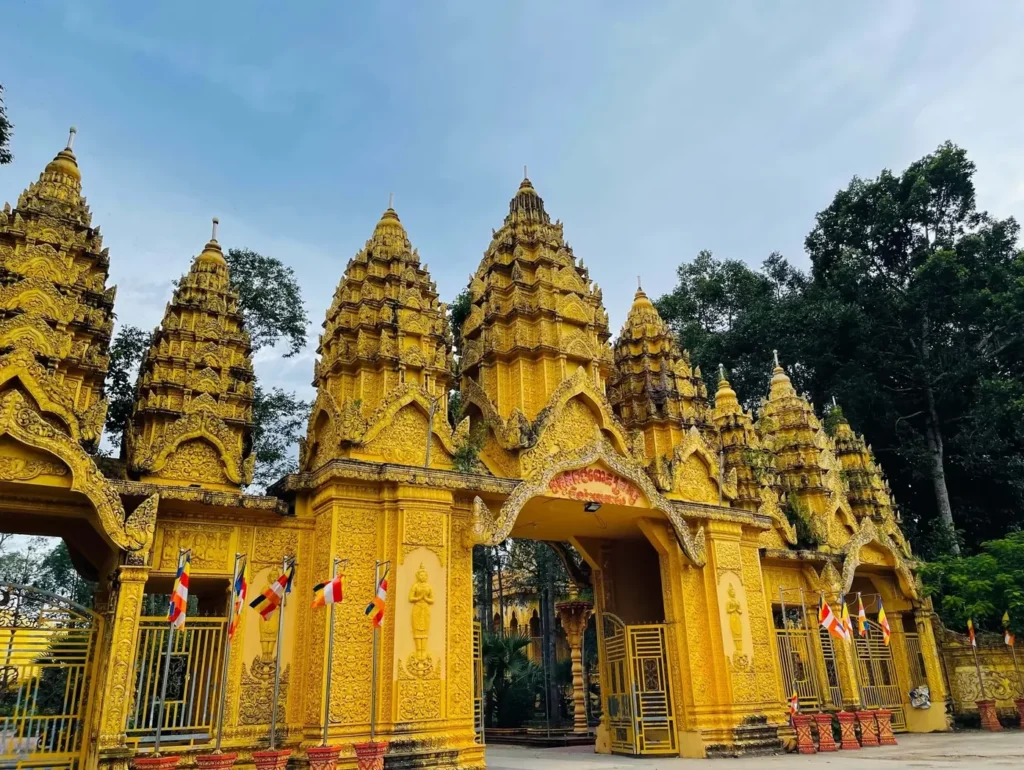
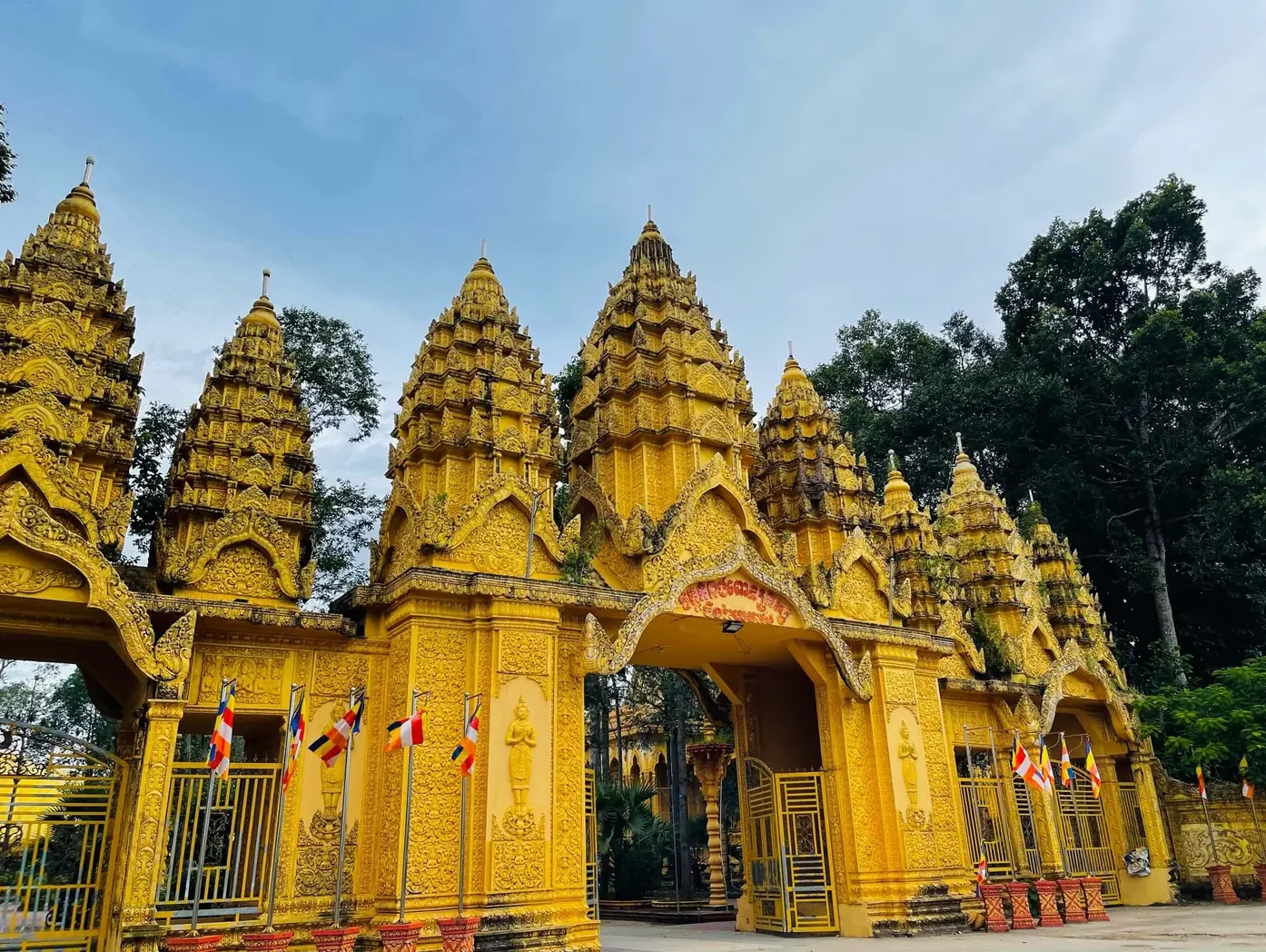
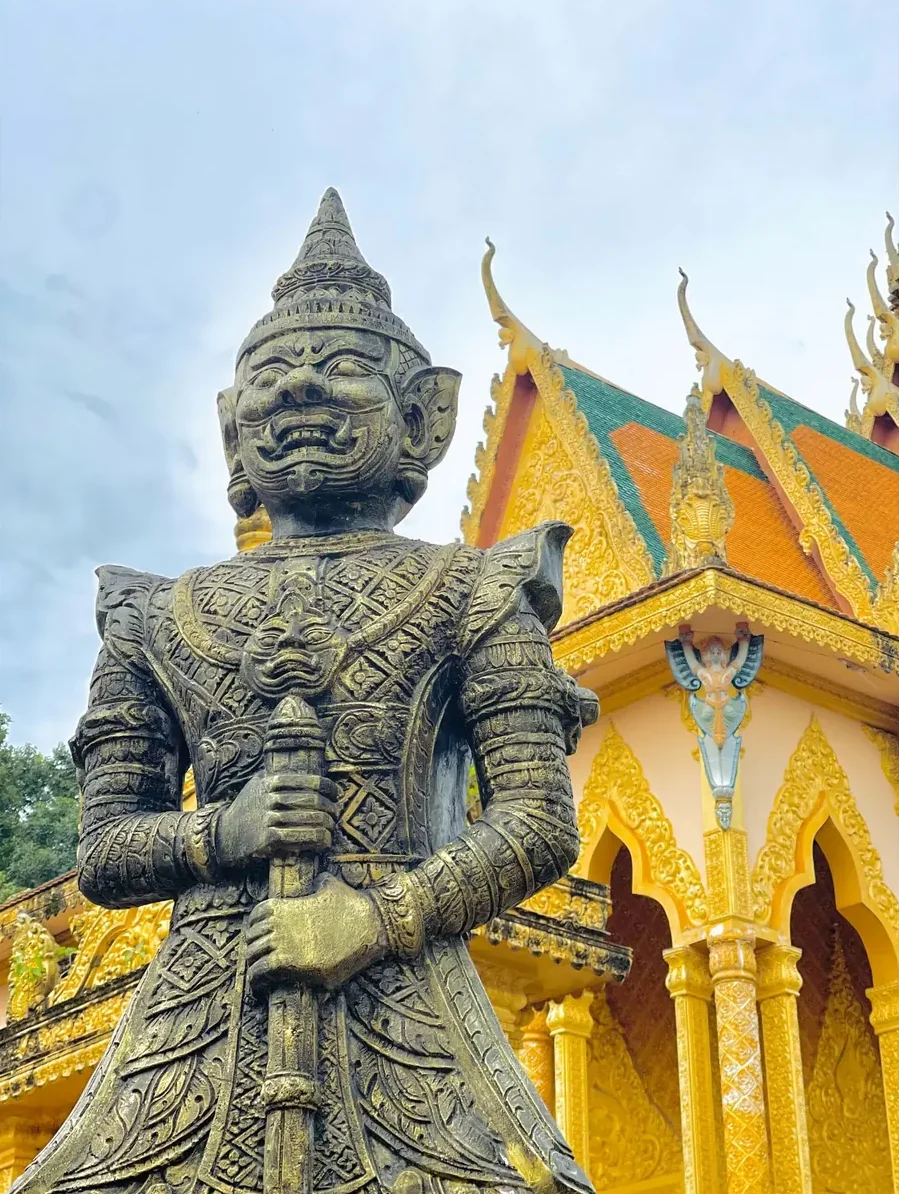
The delta is home to Kinh, Khmer, Hoa and Cham communities, each with its own food, festivals and temples. In Tra Vinh, Khmer families make up a big share of the population, and the province is dotted with golden pagodas where monks still study and chat with curious visitors. You get something no museum can offer: people, in their own place, doing ordinary things.
4. It works for almost every budget and schedule
You can do a rushed day trip, a relaxed two-day loop or a village stay. That flexibility is a big reason it keeps showing up in itineraries.
Reasons you might be disappointed
We would rather you know this now than on a hot afternoon in a crowded boat queue.
The tourist pier problem. On the standard day tour, lots of groups visit the same few islands at the same hours. You get a sampling table, a gift shop and a song performance on a schedule. It is pleasant, not deep. If a friend says “the Mekong was touristy”, this is usually what they saw.
Too much time in the van. The delta is bigger than it looks on the map. Many one-day tours spend four or more hours on the road for roughly three hours on the ground. If you hate long drives, pick a destination close to Saigon or stay overnight to cut the back-and-forth.
The weather is part of the deal. It is hot most of the year, and the rainy season can bring heavy afternoon showers. Neither ruins a trip, but both reward a hat, light clothes and a flexible attitude.
It’s not a “wow, mountains” kind of place. The beauty is quiet: light on water, a woman rowing a boat with a conical hat, a bridge made of a single coconut trunk. If you need drama, you may be bored.
Mekong Delta day trip or overnight? The honest comparison
This is the question we get most, so here it is without the sales pitch.
A day trip works if you only have one free day and want a taste. You will see the delta, ride a boat, eat lunch and be back in Saigon by evening. Expect a lot of time in transit and a more packaged experience.
An overnight trip changes the experience completely. You wake up in a village, watch the morning routine, see the river at the best light and eat dinner with the sounds of frogs and insects instead of traffic. You also skip the worst of the crowds, because most day-trippers have left by late afternoon. If you can spare two days, take them. The same region feels like a different place.
A 2-day, 1-night loop is the sweet spot for most people. Three days lets you go deeper into one region without feeling rushed. If you want to see how we approach this, our 2-day Tra Vinh tour was built for exactly this: small group, local guide, village homes, Khmer culture and real meals instead of a buffet.
How to visit the Mekong Delta the less touristy way
You do not need to avoid the delta’s classic places. You just need to visit them smarter.
- Go early. Most day-trip groups arrive late morning. If you are on the water at sunrise, the light is soft, the temperature is gentler and you get the delta before it wakes up.
- Choose a less visited province. Tra Vinh, for example, gets a fraction of the traffic of My Tho. You will see more pagodas than tour buses.
- Pick small groups. A group of six moves differently from a group of forty. You can stop where something interesting happens, ask questions and eat in a family’s home instead of a restaurant built for coaches.
- Ask where the money goes. Tours that use local homestays, local cooks and local guides tend to leave more in the community and also feel more real.
- Do one thing slowly. A bicycle through a village, a long lunch, an hour sitting by a canal. One slow thing beats five rushed ones.
Best time to visit the Mekong Delta
The delta works year-round, but each season has its own personality.
December to April (dry season): lower humidity, blue skies, comfortable for walking and cycling. This is the most popular window, and Tet (Lunar New Year) in late January or February is lively but busy.
May to November (green and rainy season): the landscape is lush, prices can be softer and crowds thinner. Showers tend to arrive in the afternoon, so mornings are usually fine. Fruit season peaks around May to August, when mangosteen, rambutan and durian show up.
Festival time: in November, the Khmer community celebrates Ok Om Bok, a moon-worshipping festival in Tra Vinh with boat racing and floating lanterns. If you are traveling around the full moon of the tenth lunar month, it is worth planning around. We wrote a separate guide to the Ok Om Bok Festival 2026.
What to wear? Light, breathable clothes, a hat, sunscreen, comfortable sandals or sneakers, a thin rain jacket in the green season, and a scarf or shawl for temples (shoulders and knees covered).
Mekong Delta vs other Vietnam trips: how to decide
If you are comparing options, here is how we’d think about it.
Mekong Delta or Ha Long Bay? They offer opposite things. Ha Long is a dramatic seascape of limestone islands; the delta is a soft, green, human landscape. They are also on opposite ends of the country, so for most travelers it is not an either-or. Pick the one that matches the mood you want.
Mekong Delta or Ninh Binh? Ninh Binh is the north’s answer, with karst cliffs and rice fields. If you are traveling the full length of Vietnam, you can do both. If you are based in the south, the delta is the easy pick.
Mekong Delta or the Cu Chi Tunnels? This is a different question entirely, because one is a landscape and the other is a history site. We cover it in detail in Cu Chi Tunnels or Mekong Delta: which is better?
Can you visit the Mekong Delta on your own?
Yes, and plenty of people do. Buses run from Saigon’s Mien Tay station to My Tho, Ben Tre, Can Tho and Tra Vinh, and local boats and bicycles are easy to arrange once you arrive. The trade-off is time and context. Without a guide, you’ll spend a good chunk of the day figuring out transport and may miss the small, unmarked places that make the delta special. If you like to improvise, go solo. If you want smoother logistics and someone who can explain what you are seeing, go with a local guide. Both are valid.
Our verdict: is it worth it?
Yes, with one caveat: choose the experience, not just the destination. A rushed day in the busiest spots can feel like a theme park. One night in a village can be the highlight of your whole Vietnam trip. We are biased, of course; Nghi and Tiên grew up in the south and still get a little giddy when the van turns off the highway onto a narrow country road. But we also tell guests honestly when a day trip is enough for them.
If you are curious about the quieter side of the delta, take a look at our Mekong Delta trips. And if you are not sure what fits your dates, message us on WhatsApp and we will tell you honestly.
Frequently asked questions
Is the Mekong Delta worth visiting?
Yes, if you enjoy food, slow travel, rural scenery and meeting local communities. It is less suited to travelers who want dramatic landmarks or have only half a day.
How many days do you need in the Mekong Delta?
One day is enough for a quick introduction. Two days and one night is the best balance for most travelers, and three days lets you go deeper into one region.
Is a Mekong Delta day trip or overnight trip better?
An overnight trip is better if you can spare the time. You avoid the biggest crowds, see the delta at sunrise and spend less of your trip in a vehicle. A day trip is fine if you only have one free day.
What is the best time to visit the Mekong Delta?
December to April is the driest and most comfortable. May to November is greener and quieter, with afternoon showers and peak fruit season.
Is the Mekong Delta touristy?
The areas closest to Saigon, such as My Tho and parts of Ben Tre, can be busy with group tours. Provinces further away, such as Tra Vinh, are much quieter.
How far is the Mekong Delta from Ho Chi Minh City?
My Tho is about 70 km (roughly two hours), Ben Tre about 85 km, Can Tho about 170 km (3.5 to 4 hours) and Tra Vinh about 200 km (around 4 hours), depending on traffic.
What should I wear to the Mekong Delta?
Light, breathable clothing, a hat, sunscreen, comfortable shoes and a rain layer in the green season. Cover shoulders and knees if you plan to visit pagodas.
Last updated: October 2026. Written by the Trip Chip Travel team, a local guiding startup based in Ho Chi Minh City.