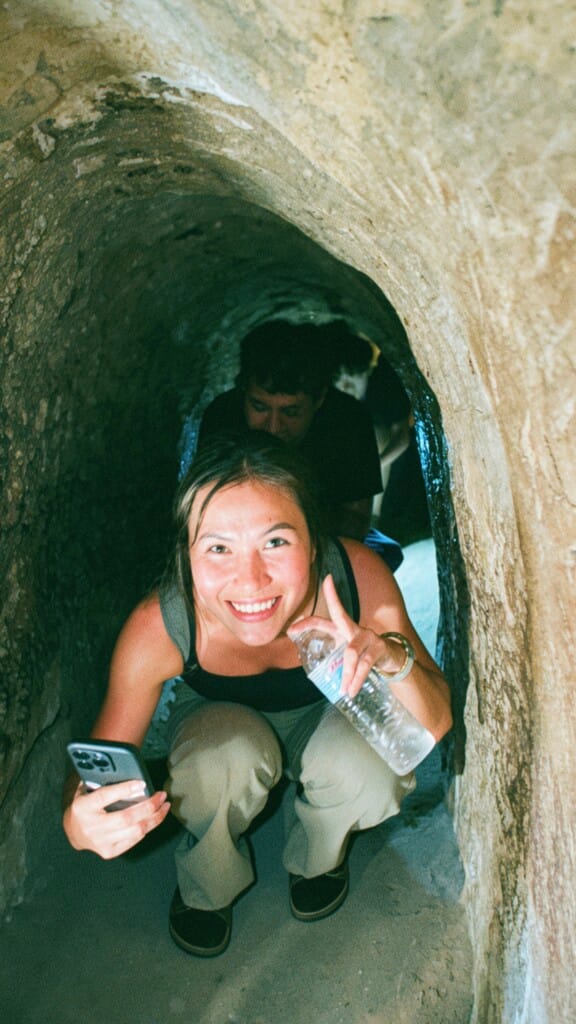
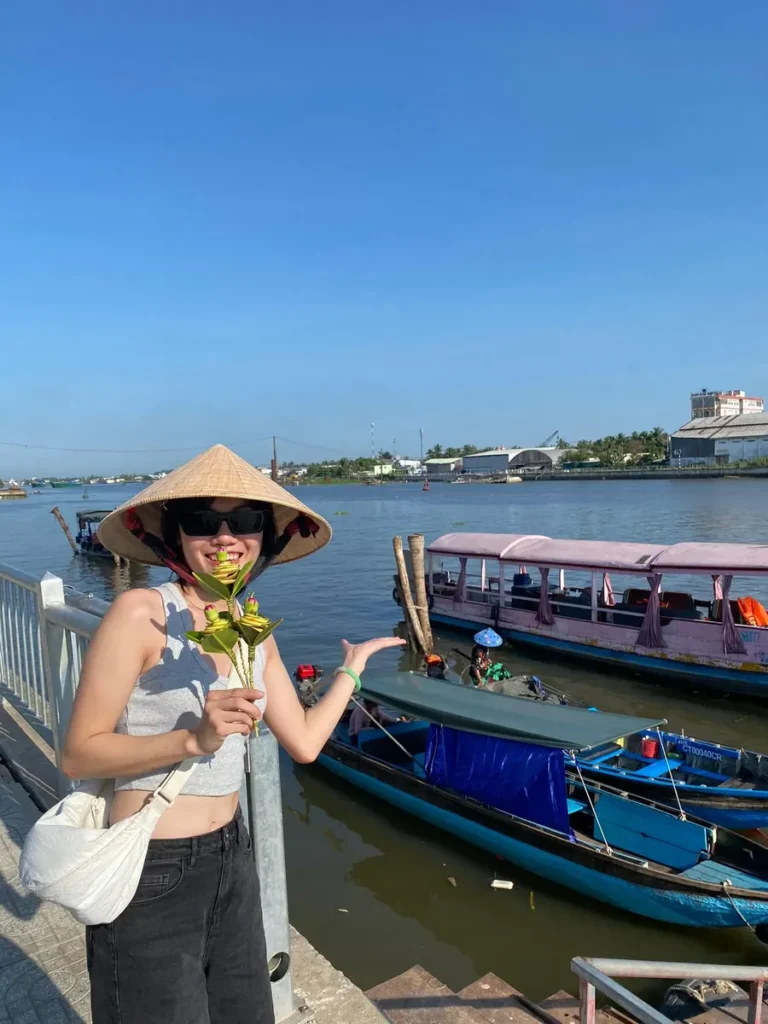
Ask travelers what they remember most about the Mekong Delta, and the answer is rarely a landmark. It is a grandmother insisting they eat one more pancake, a farmer waving from a rice field, a boat vendor laughing as she hands over a pineapple. The Mekong Delta people are the reason this region stays with you long after you leave.
Here are 8 everyday heroes who keep Vietnam’s rice bowl alive, plus a few tips for meeting them in a respectful, genuine way.
First, a little about life in the Mekong Delta
Around 17 million people live in the Delta, most of them in small towns and villages along rivers and canals. Life follows the water and the harvest. People here are known across Vietnam for being warm, direct and generous, with a love of good food, music and long conversations in hammocks.
A fun fact: in Southern Vietnam, the eldest child is called Hai (“Two”), not “One”. The next child is Ba (“Three”), and the youngest is affectionately called Út. So if someone introduces themselves as Chị Hai, you know she is the eldest daughter.
8 Mekong Delta people you will meet on your trip
1. The rice farmer
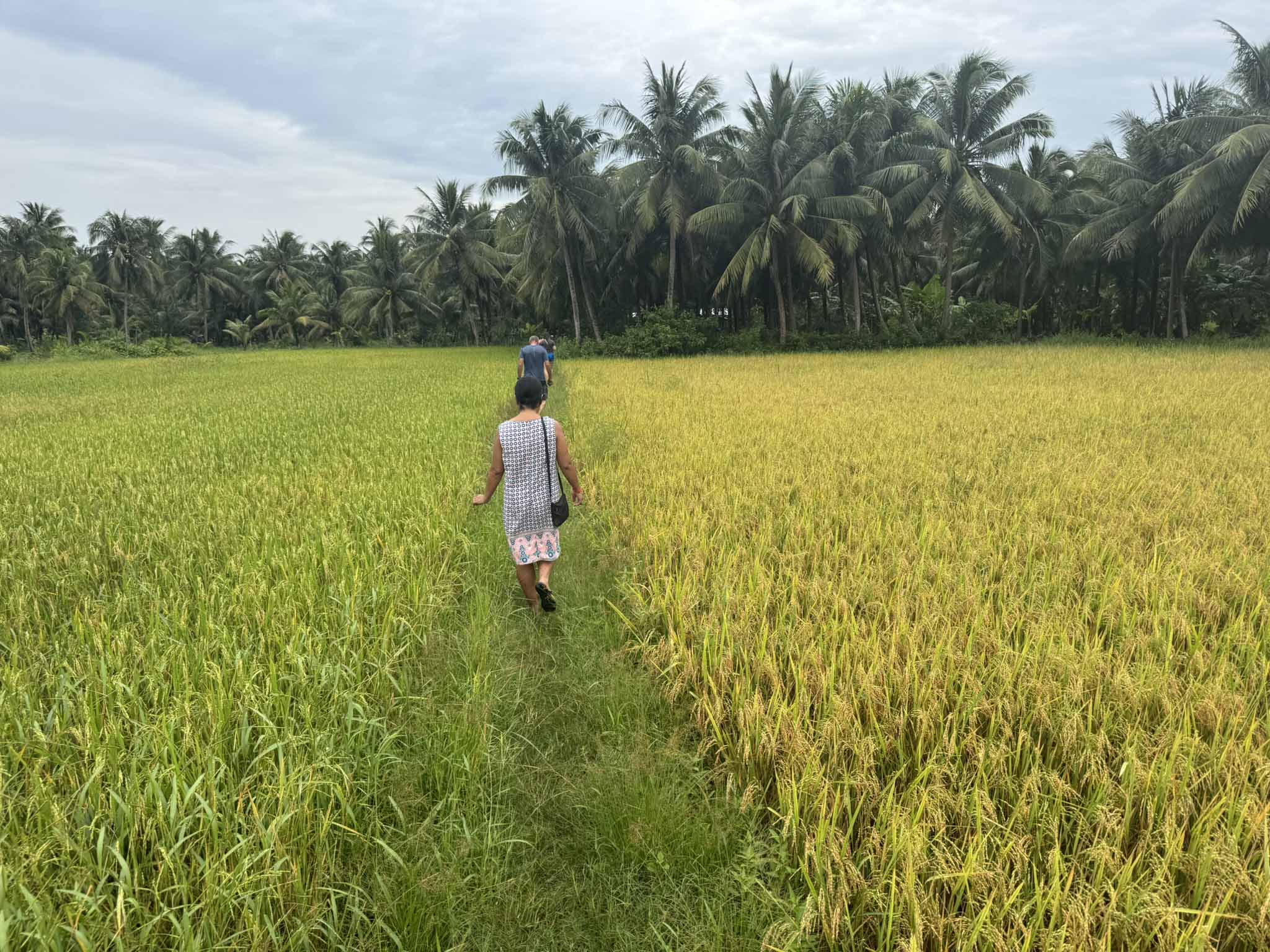
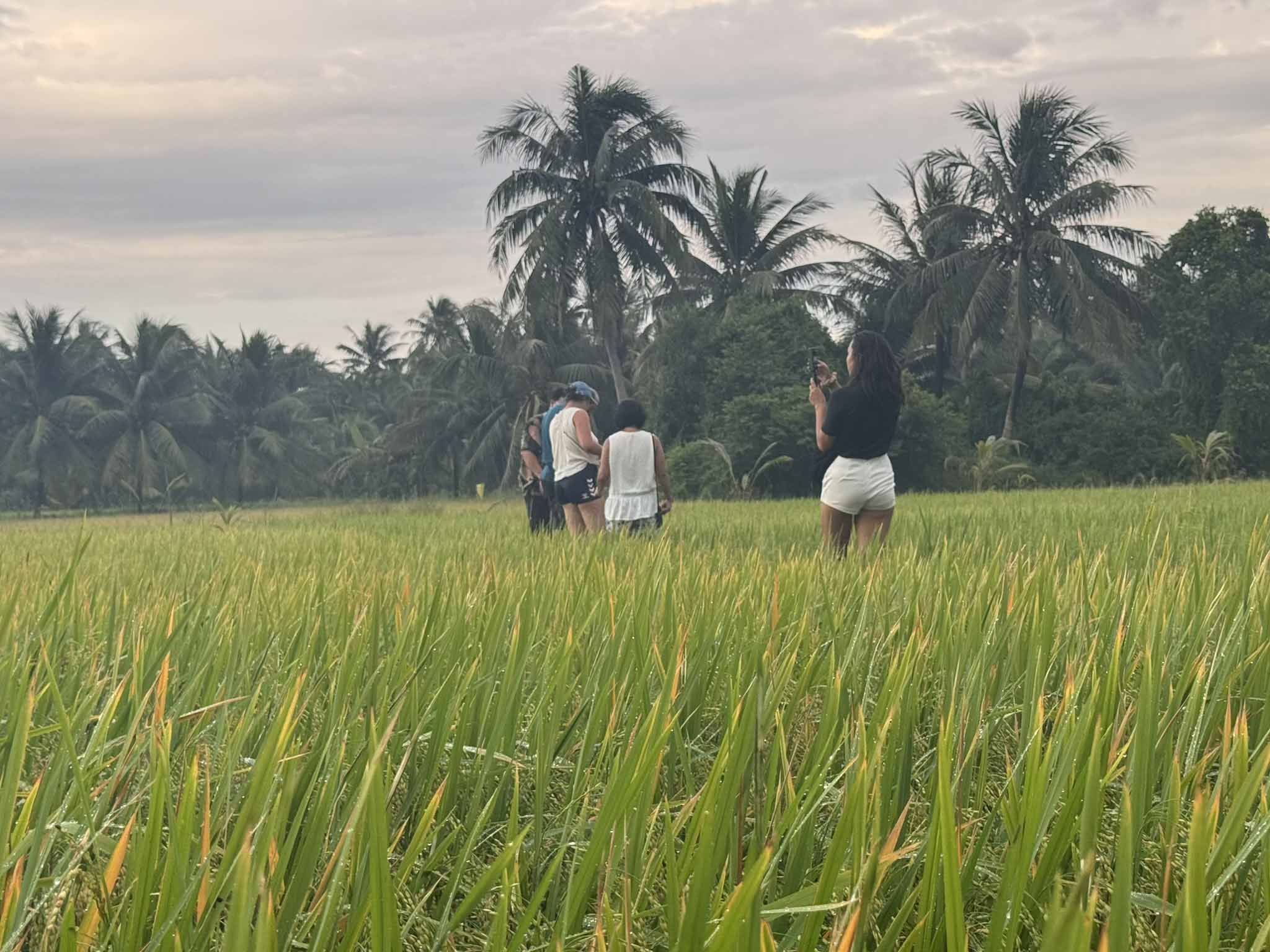
Rice is the backbone of the Delta, which grows more than half of Vietnam’s rice. In many areas, farmers harvest two or even three crops a year, so the landscape changes constantly: flooded mirror-like paddies, bright green shoots, golden fields ready for harvest.
2. The floating market trader
At markets like Cai Rang, some traders spend days or weeks on their boats, buying fruit and vegetables from farmers and selling them on the river. Their boats are shops, kitchens and homes, often with laundry, potted plants and a sleeping dog on board.
3. The duck herder
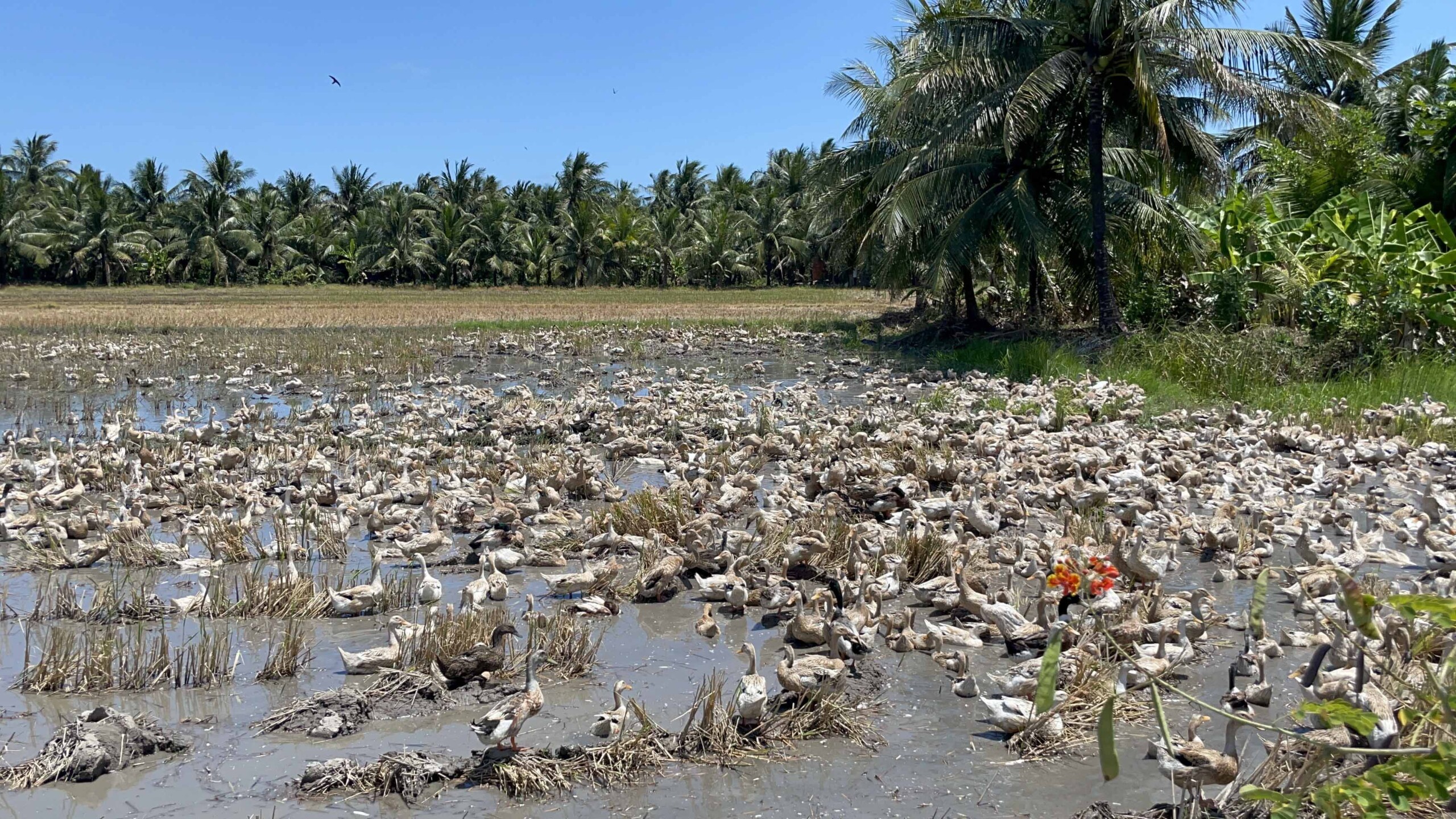
After harvest, herders lead flocks of hundreds of ducks across the fields to eat the leftover grain and insects. Watching a single herder move a river of ducks with nothing but a long pole is pure Delta magic.
4. The coconut worker
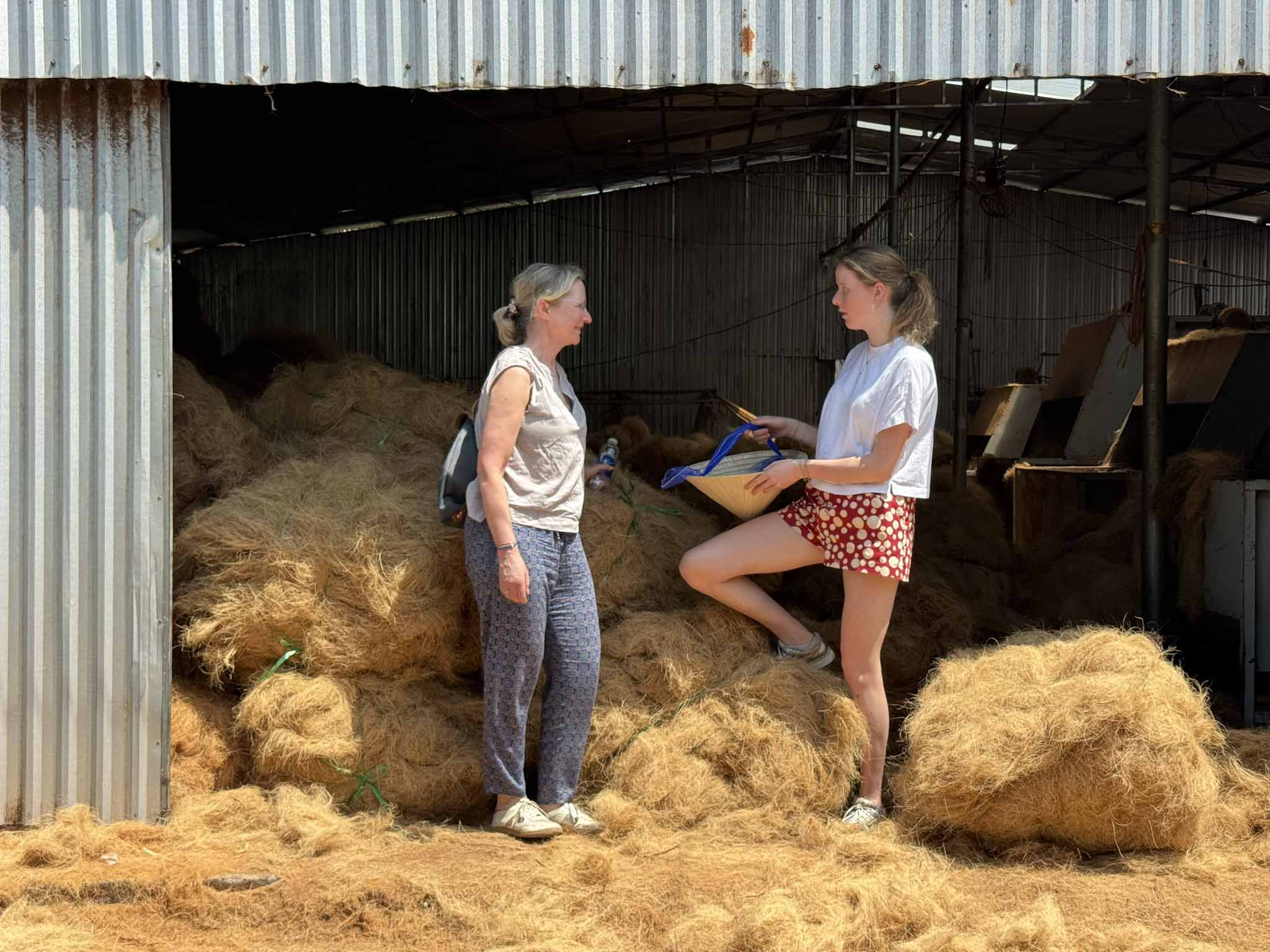
Climbers harvest coconuts high in the trees, while family workshops turn the fiber into rope, mats and handicrafts. Nothing is wasted: the water is a drink, the flesh becomes candy and oil, and the shells become fuel or charcoal.
5. The fruit gardener
The Delta’s orchards, known as miệt vườn, grow rambutan, longan, pomelo, mango and durian. Gardeners dig small canals between the trees to water them and bring fruit out by boat. Many happily let visitors taste fruit straight from the branch.
6. The Khmer monk
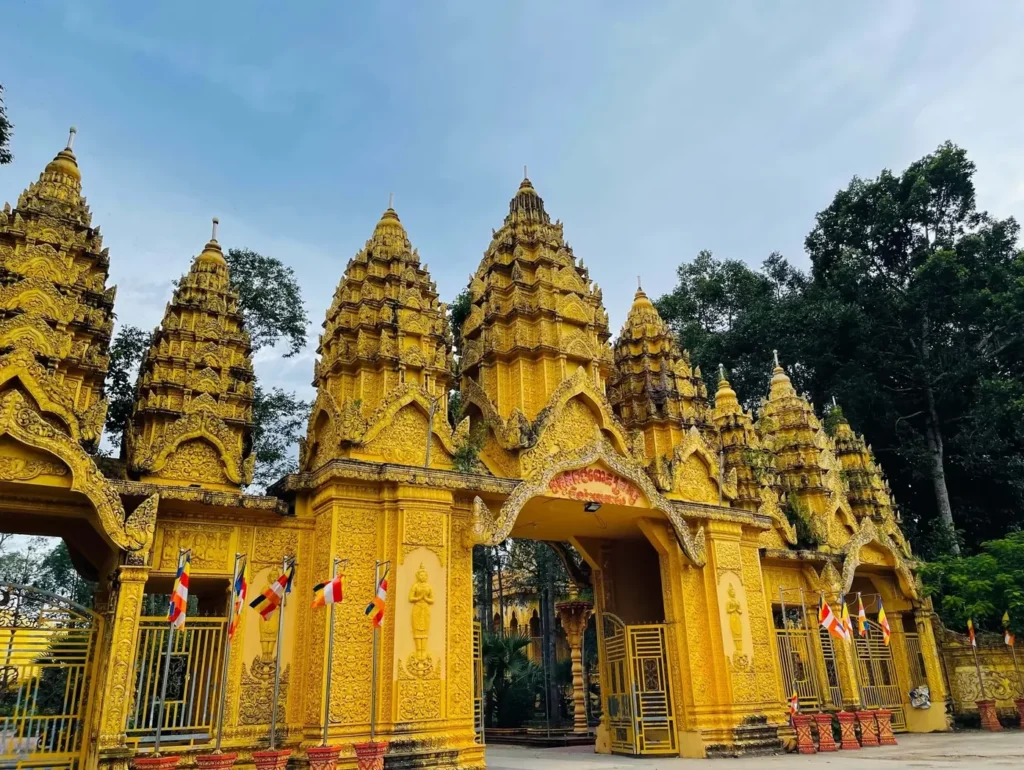
In Khmer villages, the pagoda is the center of life, and monks are teachers, counselors and keepers of tradition. Many families send a son to spend time as a novice monk. Sitting with a monk and asking about daily life is one of the most moving encounters in the Delta.

7. The home cook
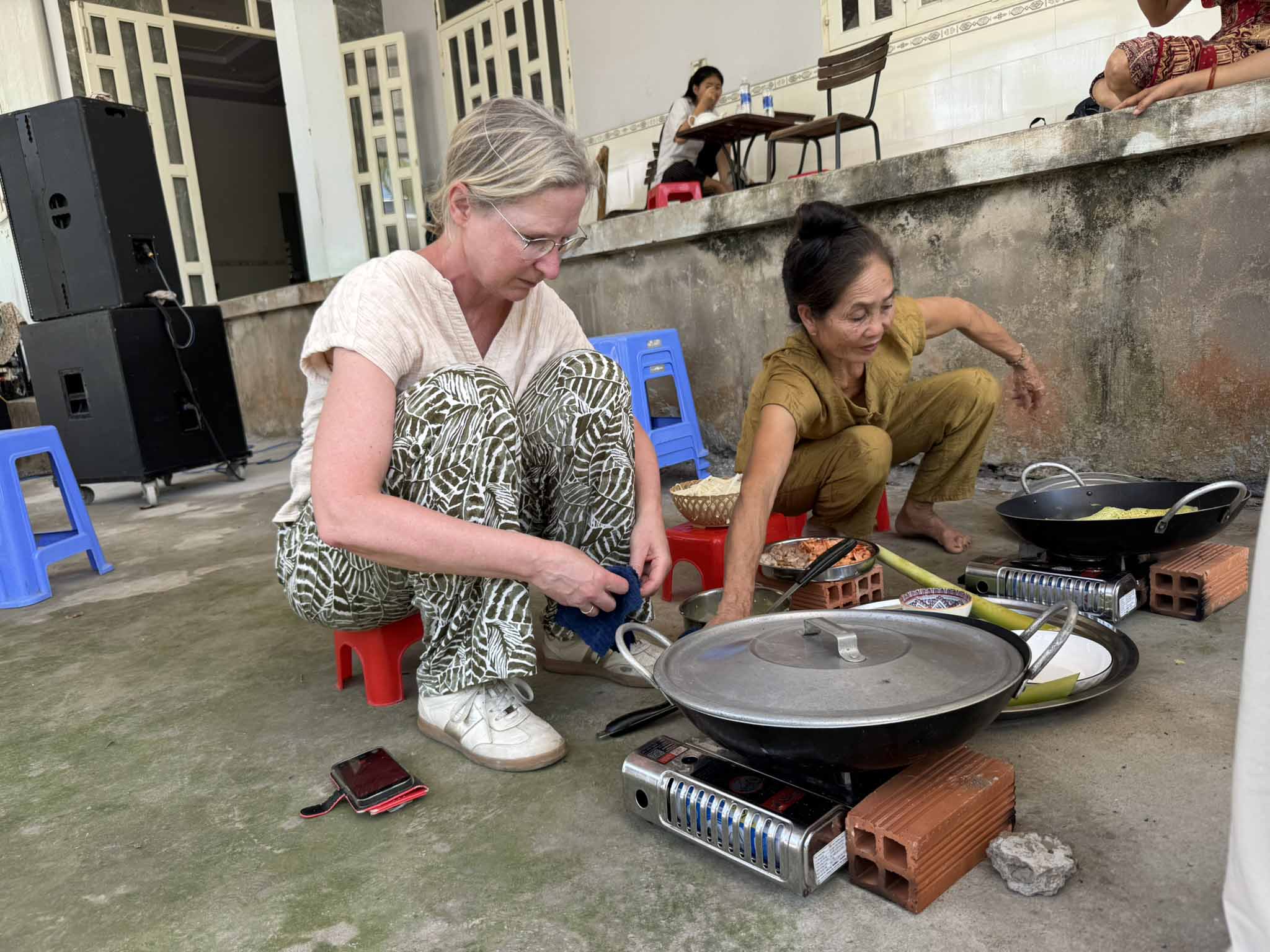
Every family has a cook, usually a mother or grandmother, who guards recipes passed down for generations: sour soups with tamarind, caramelized fish in clay pots, sticky rice cakes for festivals. Cooking with them is the fastest way into a Mekong family’s heart.
8. The street and market vendor
From morning markets to mobile carts, vendors keep the Delta fed. They know everyone, hear every piece of news and usually throw in an extra herb or a smile for free.
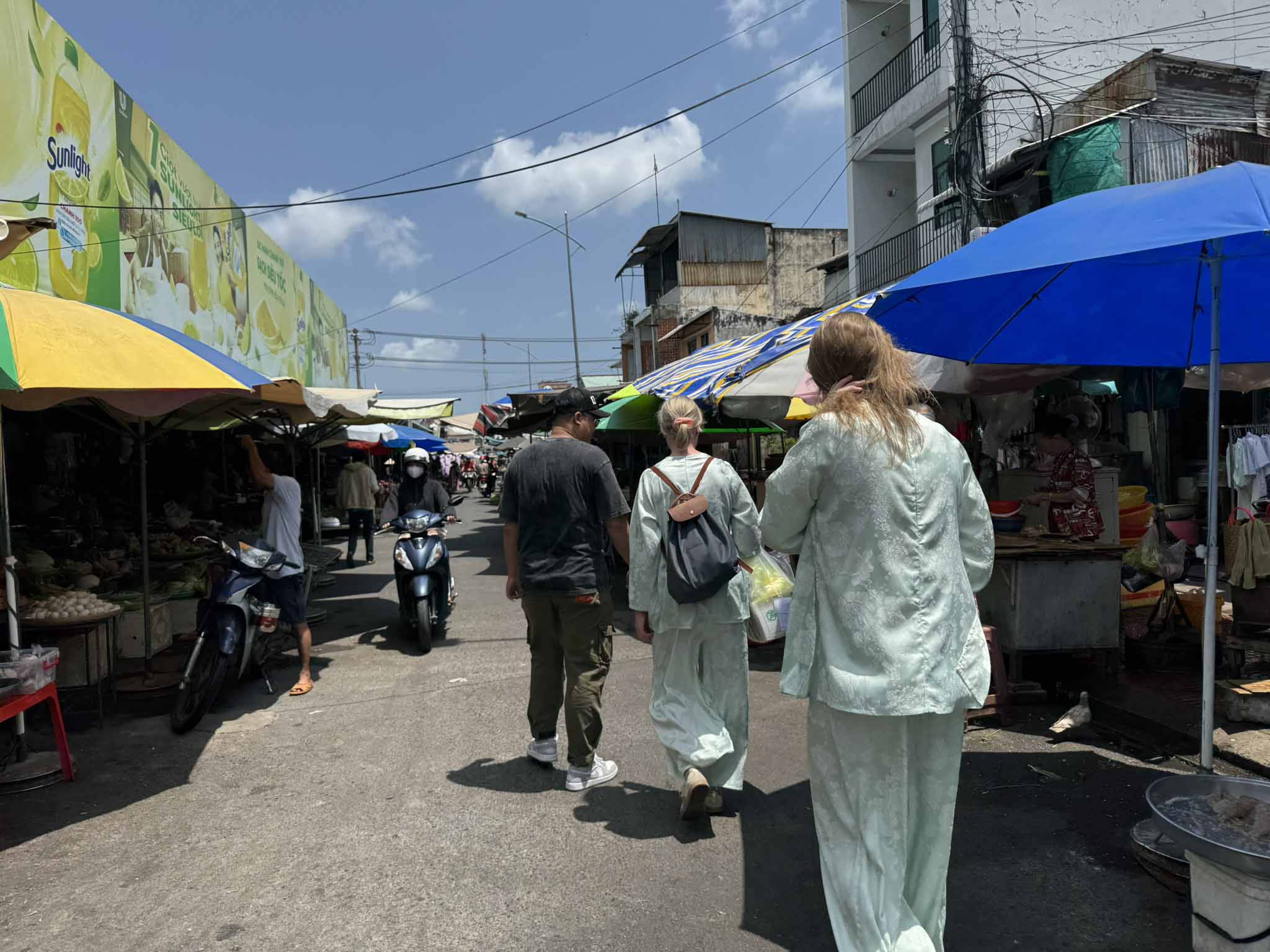
How to meet Mekong Delta people respectfully
- Learn a few words: Xin chào (hello), Cảm ơn (thank you) and Ngon quá! (delicious!).
- Always ask before taking photos of people, and show them the picture afterwards.
- Accept tea or fruit when offered. Refusing completely can seem unfriendly.
- Travel with a local guide who can translate and explain, so conversations go deeper than smiles.
- Choose small, private trips that spend money with local families, not just big souvenir shops.
Meet the people of the Mekong with Trip Chip
Our tours are built around people, not just places. On the 3 day Mekong Delta tour, you stay in a village, harvest coconuts, cook with local families and meet a Khmer monk. Short on time? Try the 2 day 1 night Mekong Delta tour.
Mekong Delta people FAQs
What are people in the Mekong Delta like?
Warm, relaxed and generous. Hospitality is a point of pride, and visitors are often invited to eat or drink with families.
What do most people in the Mekong Delta do for a living?
Farming, fishing, fruit growing and trade are the main livelihoods, along with handicrafts and, increasingly, tourism.
Can I stay with a local family in the Mekong Delta?
Yes. Homestays and village stays are a great way to experience daily life. A guide helps with language and local customs.
Read more about the region’s culture and history, or plan your trip with our Mekong Delta travel guide. Background reading: the Khmer Krom on Wikipedia.
Keep reading: wondering if it is worth the trip? See Is the Mekong Delta worth visiting? and, for Khmer culture, the Ok Om Bok Festival 2026 guide.