Vietnam has nine wetlands recognized as “Wetlands of International Importance” under the Ramsar Convention, and here is the surprising part: six of the nine Ramsar sites in Vietnam are in the South. One of them, a crocodile lake hidden inside an ancient jungle, is only about four hours from Saigon, and you can trek to it.
This guide to the Ramsar sites in Vietnam explains what a Ramsar site is, lists all nine, shows why Southern Vietnam dominates the list, and tells you how to visit one on a short trip from Ho Chi Minh City.
What is a Ramsar site?
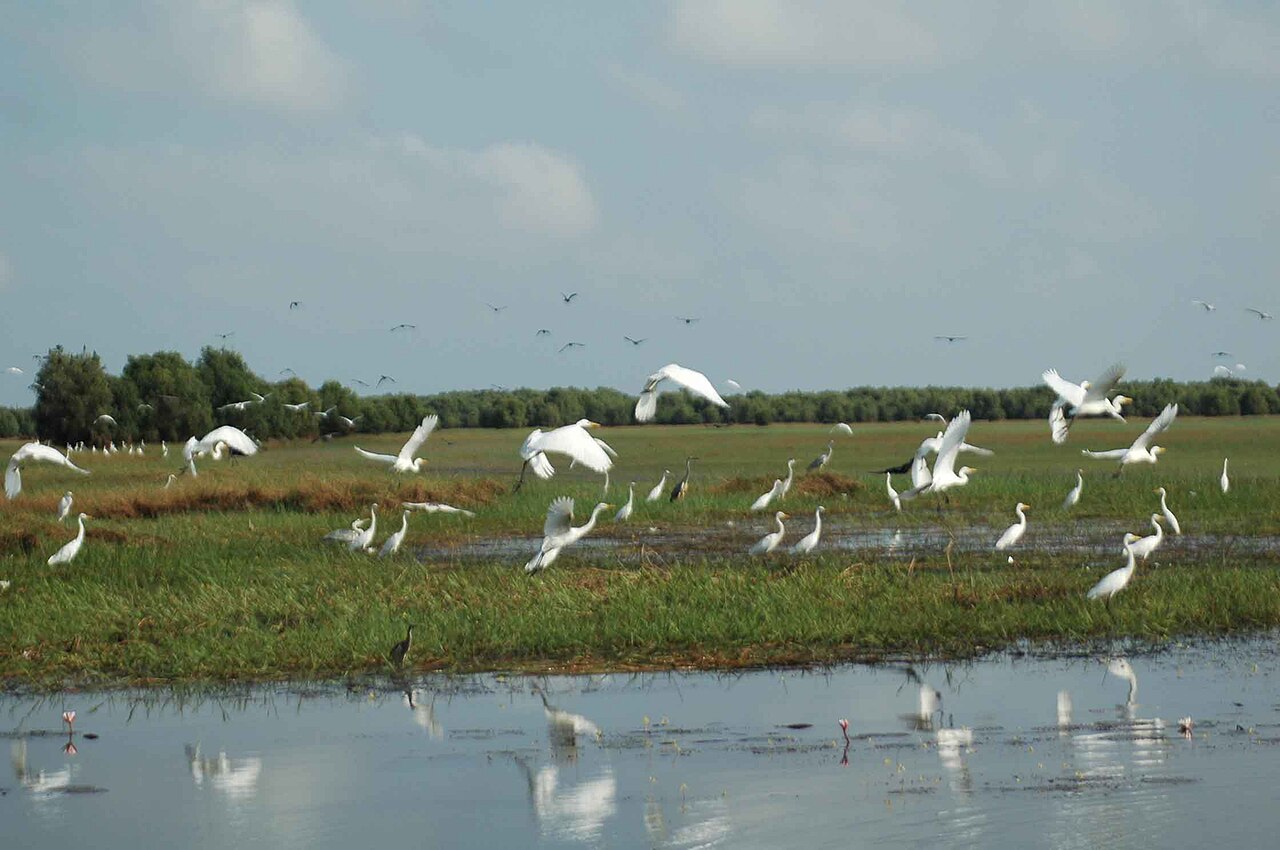
The Ramsar Convention, also called the Convention on Wetlands, was signed in 1971 in the Iranian city of Ramsar. Countries that join it promise to protect their most important wetlands: marshes, lakes, mangroves, peat swamps, rivers and shallow seas. Sites that meet strict criteria, such as supporting endangered species or large numbers of water birds, are added to the global Ramsar List.
Vietnam joined in 1989, the first country in Southeast Asia to do so, and the story of the Ramsar sites in Vietnam began with Xuân Thủy in the Red River Delta. Read more on the official Ramsar Convention website.
All 9 Ramsar sites in Vietnam at a glance
| Ramsar site | Region | Province | Listed | Known for |
|---|---|---|---|---|
| Xuân Thủy National Park | North | Ninh Bình (formerly Nam Định) | 1989 | Migratory shorebirds, black-faced spoonbill |
| Bàu Sấu wetlands, Cát Tiên National Park | South | Đồng Nai | 2005 | Siamese crocodiles, lowland forest |
| Ba Bể National Park | North | Thái Nguyên (formerly Bắc Kạn) | 2011 | Vietnam’s largest natural mountain lake |
| Tràm Chim National Park | South | Đồng Tháp | 2012 | Sarus cranes, Plain of Reeds |
| Mũi Cà Mau National Park | South | Cà Mau | 2013 | Mangroves at Vietnam’s southern tip |
| Côn Đảo National Park | South | Ho Chi Minh City (formerly Bà Rịa – Vũng Tàu) | 2013 | Sea turtles, dugongs, coral reefs |
| Láng Sen Wetland Reserve | South | Tây Ninh (formerly Long An) | 2015 | Lotus, melaleuca, flooded grassland |
| U Minh Thượng National Park | South | An Giang (formerly Kiên Giang) | 2015 | Peat swamp forest |
| Vân Long Wetland Nature Reserve | North | Ninh Bình | 2018 | Limestone karst, rare langurs |
Why Southern Vietnam has most of Vietnam’s Ramsar sites
Count them: Bàu Sấu, Tràm Chim, Mũi Cà Mau, Côn Đảo, Láng Sen and U Minh Thượng. That is 6 out of 9: two thirds of all Ramsar sites in Vietnam are in the South. Four of them lie in the Mekong Delta alone. Why?
- The Mekong floodplain. Every year the Mekong spreads across vast lowlands, creating seasonal wetlands like the Plain of Reeds (Đồng Tháp Mười), where Tràm Chim and Láng Sen protect the last wild remnants.
- Rare peat swamp forests. U Minh Thượng holds one of the most important peat swamp forests left in Vietnam.
- A long mangrove coast. Mũi Cà Mau protects mangroves that keep growing out into the sea.
- Islands and coral reefs. Côn Đảo became Vietnam’s first marine Ramsar site.
- Forest wetlands. In the Đồng Nai river basin, Bàu Sấu links lowland rainforest with lakes and seasonal floodplains.
And the list may grow. In 2023, Ho Chi Minh City proposed the Cần Giờ mangrove forest, already a UNESCO Biosphere Reserve, as a new Ramsar site.
The 6 southern Ramsar sites in Vietnam
1. Bàu Sấu (Crocodile Lake), Cát Tiên National Park
Listed in 2005, Bàu Sấu is a 13,759-hectare complex of lakes, swamps and seasonal floodplains inside Cát Tiên National Park. It was Vietnam’s second Ramsar site and the first in the South. Between 2001 and 2005, around 60 critically endangered Siamese crocodiles were released here, and the wetland also supports rare birds such as the lesser adjutant and white-winged duck, plus gibbons, douc langurs and otters in the surrounding forest.
The best part for travelers: it is close. Cát Tiên is about 150 km from Ho Chi Minh City, and Bàu Sấu is reached by a forest trail and boardwalk.

2. Tràm Chim National Park
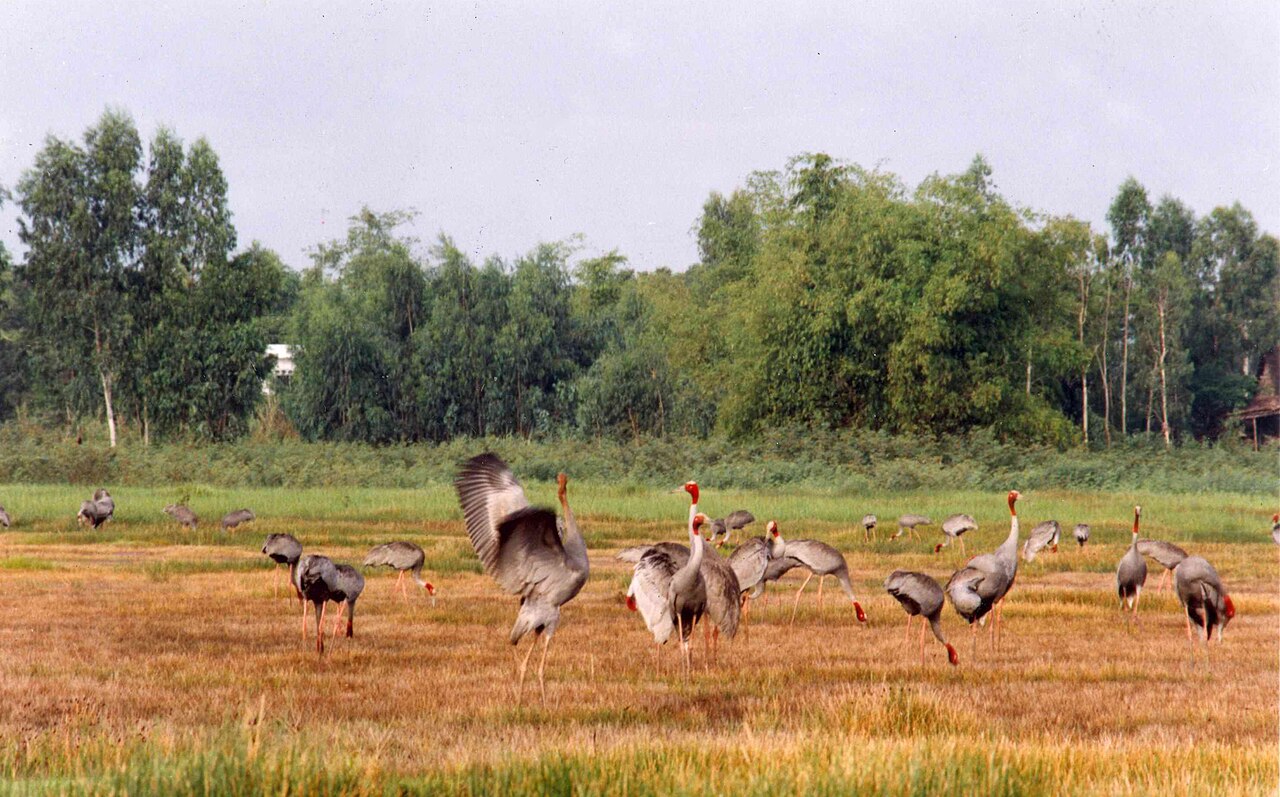
In Đồng Tháp, Tràm Chim protects a surviving piece of the Plain of Reeds. When it was listed in 2012, it became the world’s 2,000th Ramsar site. It is famous for the sarus crane, the tallest flying bird in the world, along with huge colonies of storks, egrets and cormorants.
3. Mũi Cà Mau National Park
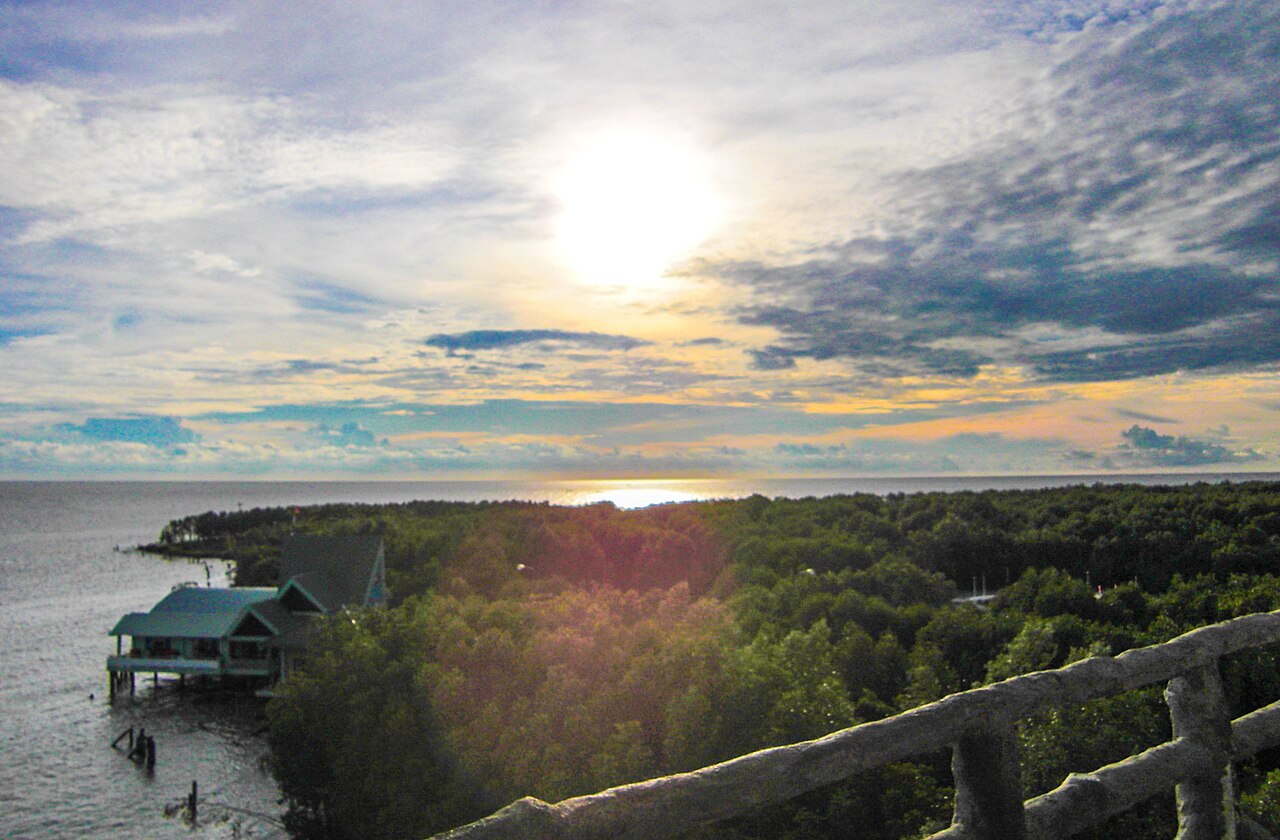
At the very southern tip of mainland Vietnam, Mũi Cà Mau is the only place in the country with sea on three sides. Its mangroves trap sediment so effectively that the land keeps growing seaward, creating mudflats where migratory birds feed.
4. Côn Đảo National Park
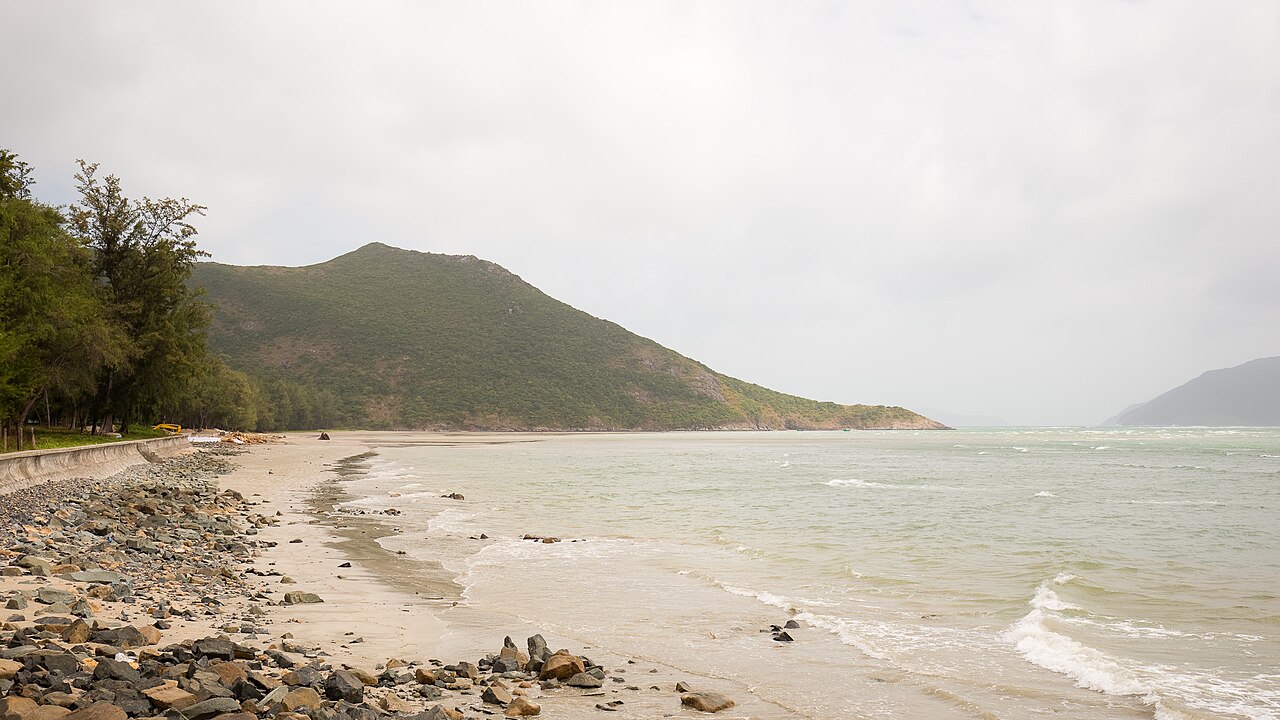
Vietnam’s first marine Ramsar site protects an archipelago of more than a dozen islands with coral reefs, seagrass beds and more than 1,300 marine species. Green and hawksbill turtles nest on its beaches, and dugongs still graze its seagrass. Since the 2025 merger, Côn Đảo is administratively part of Ho Chi Minh City.
5. Láng Sen Wetland Reserve
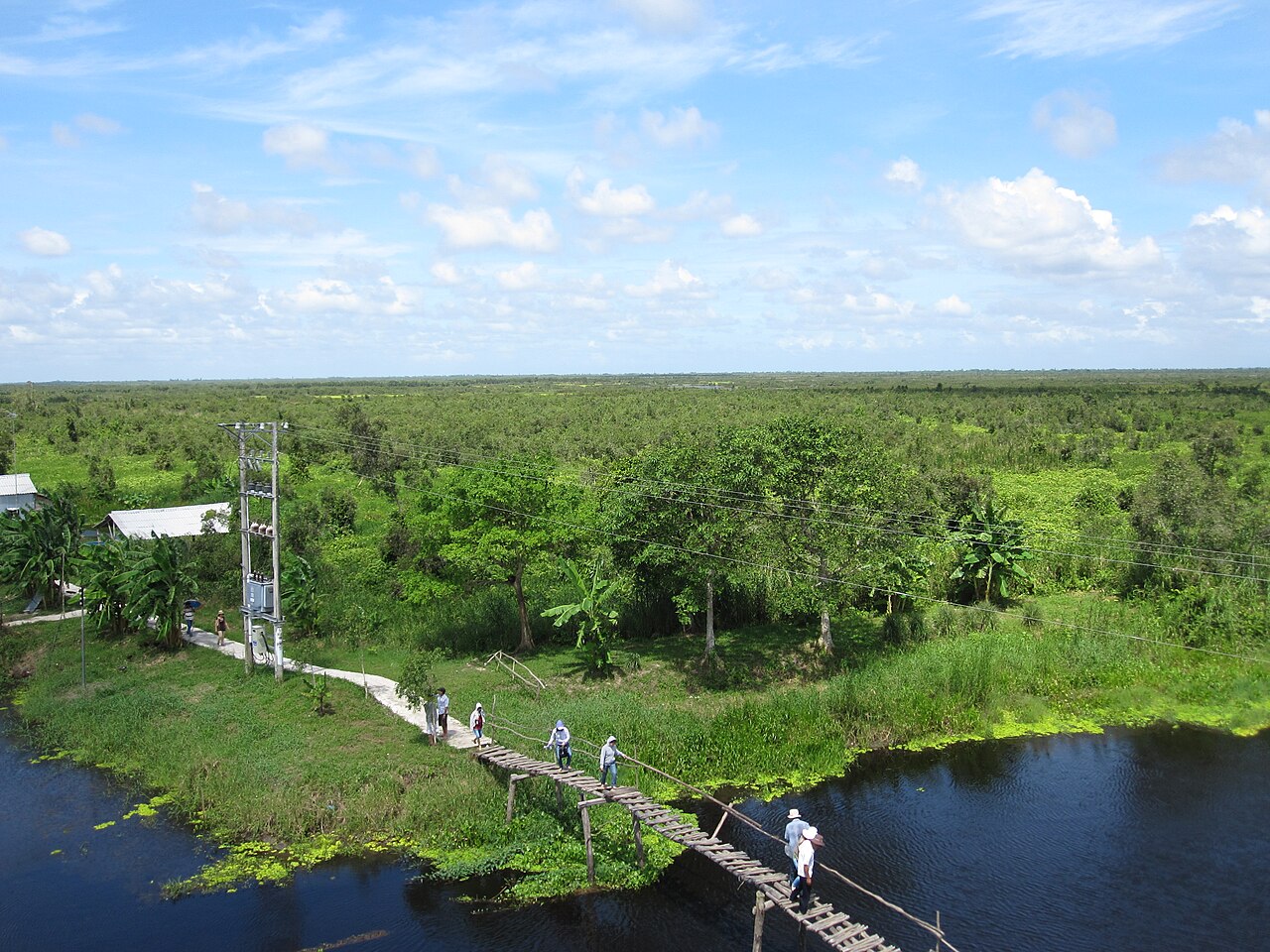
Another fragment of the Plain of Reeds, Láng Sen is a mosaic of flooded grassland, lotus ponds and melaleuca forest. It shelters more than 150 wild plant species and many water birds, and offers a glimpse of what the Mekong floodplain looked like before it was turned into rice fields.
6. U Minh Thượng National Park
U Minh Thượng protects a rare melaleuca forest growing on deep peat. These forests store huge amounts of carbon and water, and the park is also an ASEAN Heritage Park. Boat trips through its canals are wonderfully peaceful.
The 3 northern Ramsar sites in Vietnam
- Xuân Thủy National Park: Vietnam’s first Ramsar site, at the mouth of the Red River, a key stopover for migratory shorebirds.
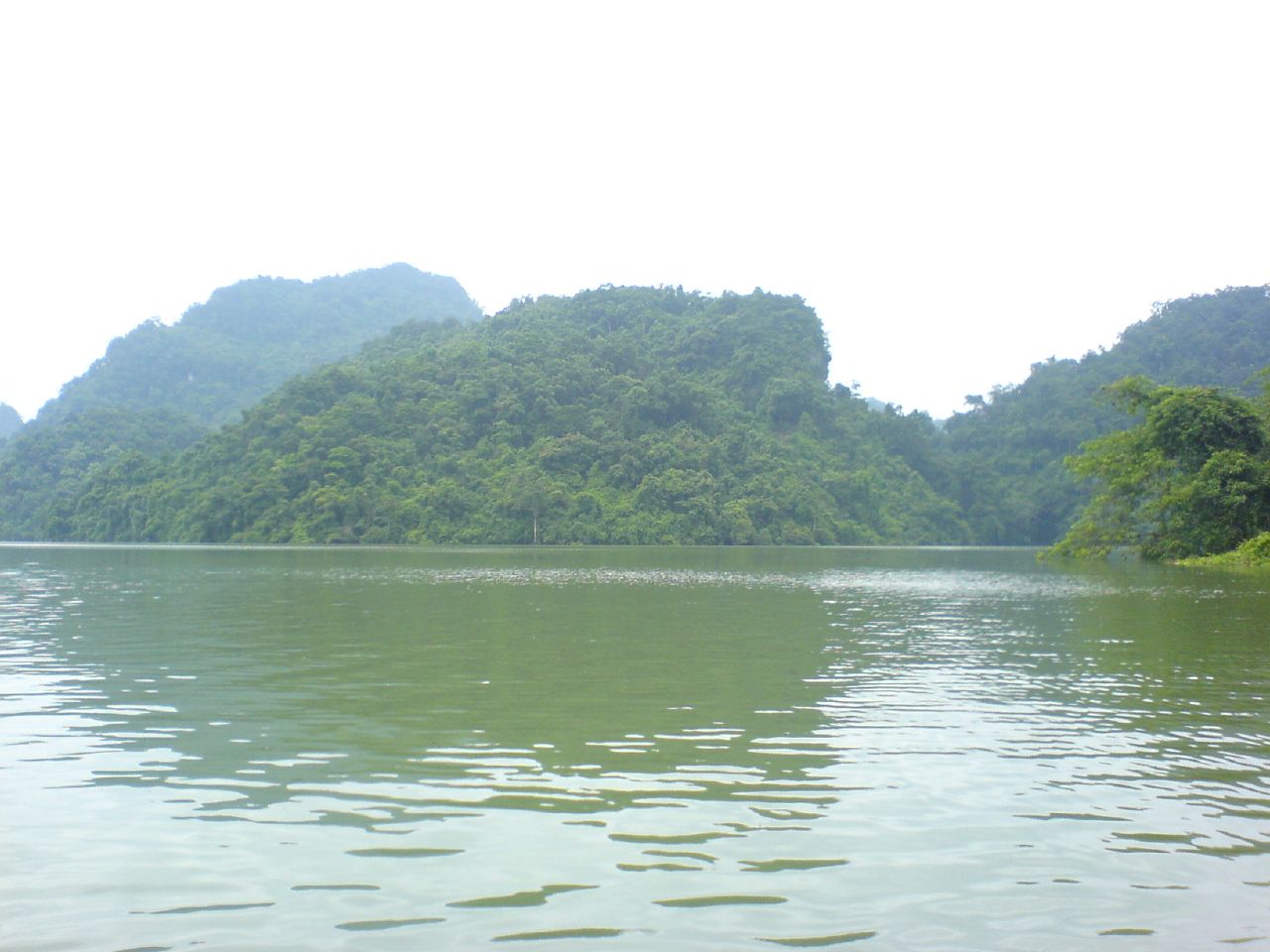
- Ba Bể National Park: a stunning natural lake surrounded by limestone mountains.
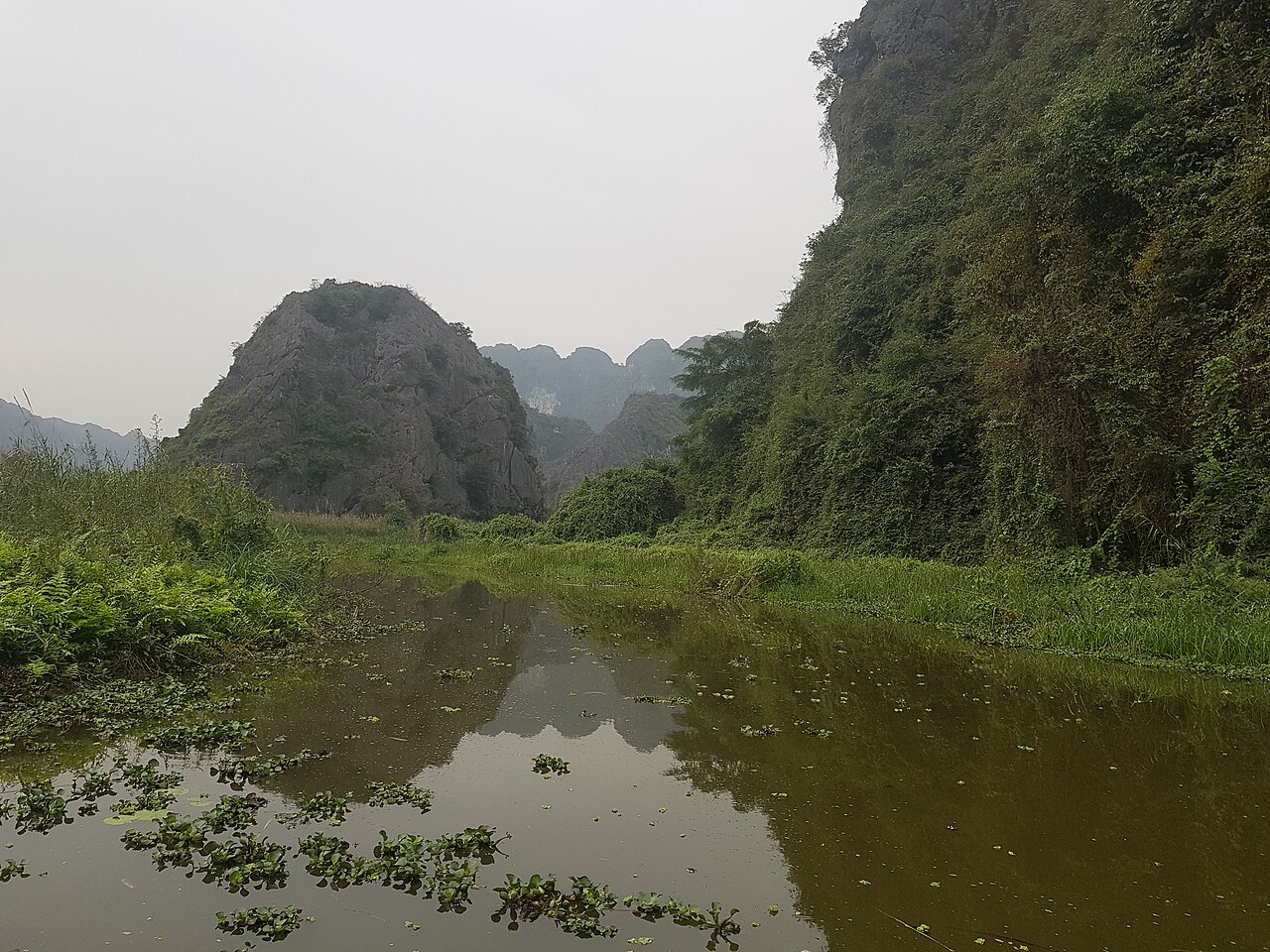
- Vân Long Wetland Nature Reserve: a flooded karst landscape near Ninh Bình, home to rare langurs.
Visit one of the Ramsar sites in Vietnam from Ho Chi Minh City
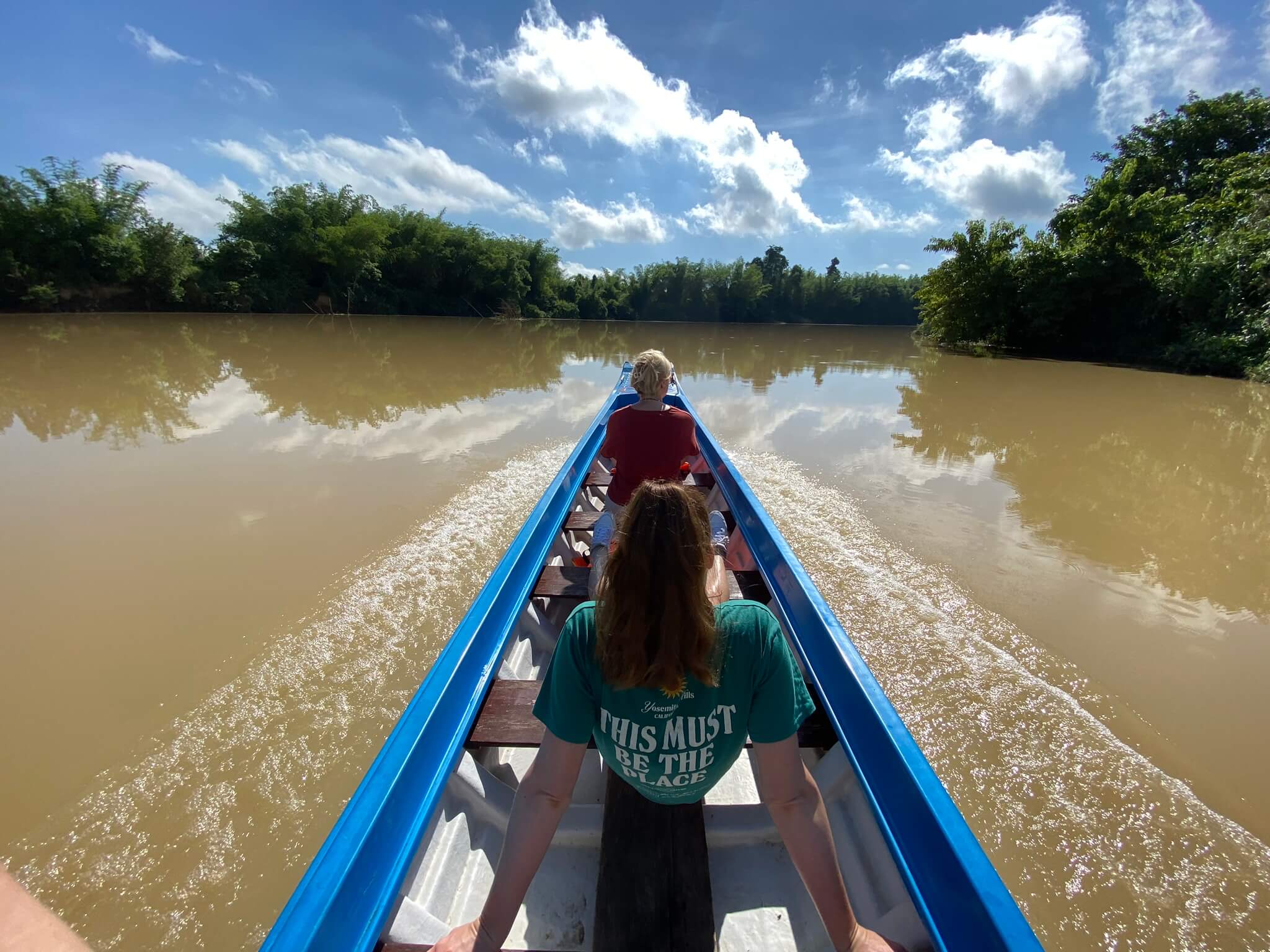
Of all the Vietnam wetlands on the Ramsar List, Bàu Sấu in Cát Tiên is one of the easiest to combine with a trip to Saigon. Spend two days in the jungle: trek among centuries-old trees, look for gibbons and join a night safari to spot deer, civets and porcupines.
Our 2-day Cat Tien National Park tour from Ho Chi Minh City includes private transport, a local guide, the jungle trek and the night safari. If you would like to hike the Crocodile Lake trail to the Bàu Sấu Ramsar site, just tell us when you book and we will help you plan it.
Want more ideas? Read our Cat Tien National Park guide, or head south to the Mekong with our Mekong Delta travel guide.
Tips for visiting Vietnam’s wetlands responsibly
- Visit in the dry season (December to April) for easier trails and better bird watching.
- Bring binoculars, a hat, sunscreen and insect repellent.
- Stay on trails and boardwalks, and keep your voice low near wildlife.
- Never feed animals or buy products made from wild species.
- Go with a licensed local guide who knows the rules of each park.
Ramsar sites in Vietnam: FAQs
How many Ramsar sites are there in Vietnam?
At the time of writing, there are nine Ramsar sites in Vietnam. Six of them are in Southern Vietnam.
What was Vietnam’s first Ramsar site?
Xuân Thủy National Park in the Red River Delta, listed when Vietnam joined the Convention in 1989.
Which Ramsar site is easiest to visit from Ho Chi Minh City?
Bàu Sấu in Cát Tiên National Park, about 150 km north of the city, is a popular choice and fits well into a 2-day trip.
When is the best time to visit Vietnam wetlands?
The dry season, from December to April, is best for trekking and bird watching in most southern wetlands.
Sources: Ramsar Sites Information Service: Bau Sau, VietnamPlus.